
California has no legal online sportsbook after voters rejected Props 26 and 27, so the practical route is offshore books I actually test.
Here is the honest starting point: there is no state-licensed online sports betting california option, so every book below is offshore and unregulated by the state. I ranked them the way I judge my own money, leaning on payout history first and bonus size last. The order reflects which books have paid me and my readers reliably, how clean their crypto rails are, how competitive the lines run, and how honest each one is about the terms. Read the reviews before you chase the biggest number.















Before you fund an account, the honest reality of sports betting in California in 2026.
The table below strips each book down to what I actually care about before I deposit: the welcome offer as it is really worded, how fast I can expect crypto and fiat payouts, and the one-line reason to consider it. Use it to shortlist two or three books, then read the full reviews and terms before you fund anything. Remember that a bigger bonus almost always means heavier rollover, and that payout reliability, not sign-up size, is what protects your money with any offshore operator.
The five books at the top of the board, tested with my own deposits and withdrawals. Ranks 6 to 15 sit in the board above.
BetOnline has been my anchor since I started logging withdrawals in 2020, and it is the first book I point LA friends to when they ask where people bet out here. The reason is boring and it is the whole point: the money comes back. In March I deposited $300 in USDT, played a Lakers spread and a couple of MLB run lines over the weekend, and requested a $500 withdrawal on a Sunday afternoon. It hit my wallet in about 40 minutes. That is not a fluke either. Across the nine crypto payouts I have logged with BetOnline, my average is under three hours and I have never had one silently stall or get 'flagged for review' without explanation.
Beyond payouts, the lines are competitive enough that I do not feel taxed on standard NFL and NBA sides, and the market depth is genuinely good for props, live betting, and college football, which matters if you follow USC or UCLA. The interface is dated but fast, and that trade-off is fine by me. Compared with Bovada, BetOnline pushes limits a little higher and posts props earlier in the week, which is why I rank it first for serious bettors even though Bovada is the smoother experience for casuals.
Now the honest cons. The welcome offer is a 50% up to $250 free bet, which is small next to the headline numbers you will see lower down this list, and free-bet terms mean you keep winnings, not the stake. If you fund by credit card or ask for a check, you throw away the speed advantage entirely and wait one to two weeks. And it bears repeating: this is an offshore book, not a California-licensed one, so your protection is the operator's reputation, not a state regulator. For me that reputation has held up, which is exactly why it sits at number one. One more practical note from experience: BetOnline's live betting and in-play props hold up well during busy Sunday NFL windows, when weaker books freeze or lag, and its same-game parlay pricing is fair rather than punishing. I still would not park my entire bankroll in any single offshore book, BetOnline included, but if I had to pick one place to keep a working balance, this is it.
If a friend has never touched an offshore book and wants one recommendation, I say Bovada. It is the most beginner-friendly option on this list, and its reputation for actually paying is the reason it survives every 'is this a scam' conversation I have. My own record backs that up. In February I moved $250 in Bitcoin in, bet a Dodgers series and some NBA totals, and pulled $400 out on a Tuesday night. It cleared in a little over two hours with no back-and-forth. Over the years my Bovada withdrawals have averaged same-day on crypto, which is all I ask of an offshore book.
The experience is where Bovada separates from the pack. The mobile site feels like a real app, live betting is responsive, and the player-prop menu on NBA and NFL is genuinely deep. The 75% up to $750 welcome bonus is more generous than BetOnline's free bet and the rollover is reasonable by offshore standards, so it is one of the few sign-up offers I do not actively warn people away from. Bovada also runs its own poker and casino, so if you cross over occasionally it is convenient.
The real cons are honest ones. Bovada's limits are lower than BetOnline's, so if you bet big you will feel capped, and its lines are fair rather than sharp, meaning line-shoppers can beat them elsewhere. Bovada also restricts several US states outright, so access depends on where you actually are, not just where you say you are. And like everything here, it is offshore and unregulated by California, so the safety net is Bovada's track record rather than any licensing body. For a casual Californian who values a smooth, trustworthy book over squeezing the last half-point of value, it is the easy number two. If you are brand new to all of this and want a single place to learn the ropes without getting burned, Bovada is the one I would put in your hands, then graduate to line-shopping across BetOnline and the others once you are comfortable.
BetAnything lives up to the name, which is what earns it the number three spot. The market breadth is the real draw here: I have found props and league coverage that Bovada and BetOnline simply do not post, from smaller soccer leagues to niche combat sports and esports. If you like betting the corners of the board, this is a book worth having. To test the cashier I deposited $200 in Litecoin in April, bet a mix of NBA player props and a UFC card, and requested $320 back on a weekday morning. It landed in roughly five hours, which is squarely in the acceptable range for offshore crypto, if a step behind BetOnline and Bovada.
The headline 150% up to $750 bonus is genuinely large, and that is where I put the warning label. A bonus that size always comes with rollover you have to clear before you can withdraw, and if you are the kind of bettor who deposits, bets once, and cashes out, you should probably decline it or you will lock up your funds. I only take offers like this when I plan to bet through the balance anyway. Read the terms, note the multiplier and the minimum odds, and decide honestly whether you will actually clear it.
The cons: BetAnything has a shorter, thinner public track record than my top two, so I keep individual balances smaller here as a matter of habit. Payouts have been fine in my experience but I trust it a notch less simply because there is less history to lean on. Support is fine over live chat but slower over email, and, as always, this is an offshore operator with no California oversight. If you value market variety and will use the bonus, it is a strong pick. If you want the safest possible home for a big balance, stick higher up the list. My rule of thumb with a newer, market-rich book like this is simple: enjoy the variety, cash out often instead of letting a big balance sit, and let the book earn a bigger share of your action over time rather than all at once.
Everygame has one of the longest histories in this whole space, going back to the early days of online betting under its former name, and that longevity is exactly why it makes my top five. When a book has paid customers for that many years, it has earned a benchmark level of trust that newer names simply cannot buy. My own experience fits the pattern. Last year I deposited $150 in Bitcoin, bet NHL and NBA sides across a couple of weeks, and requested $260 back on a Thursday. It cleared in a little under a day, which is reliable if not the fastest on this page.
The 100% up to $500 x2 bonus is structured smartly for how people actually bet. Instead of one giant match you have to clear in a hurry, it splits across two deposits, which spaces out the rollover and makes it more realistic to actually complete. I like that honesty in a bonus. The sportsbook covers all the majors competently, and the lines are fair, though the same-game and micro-prop menus are not as deep as Bovada's or BetAnything's.
The cons are mostly about polish and pace. The interface feels older than Bovada's, the live-betting experience is functional rather than slick, and fiat withdrawals by wire or check can stretch toward three weeks, so crypto is really the only way to keep it fast. Everygame is also an offshore book with no California regulation behind it, so once again the trust comes from its record, not a licensing authority. If you want a dependable, no-drama book from an operator that has clearly outlasted the fly-by-nights, Everygame earns the fourth spot. If you prioritize a modern feel and the deepest prop board, you will want one of the names above it.
Let me be blunt about BetWhale, because the marketing is not. The 200% up to $6,000 welcome offer is the largest number on this entire page, and a number that big is a rollover machine, not free money. To unlock the full match you would have to deposit a small fortune and then wager it through many times over at qualifying odds. For the vast majority of Californians reading this, I would either skip this bonus or take a small slice of it, because chasing the full amount is how people lock up funds they never get to withdraw. I rank BetWhale fifth on the strength of the book itself, not the headline.
On the actual betting, BetWhale has been a pleasant surprise. It is crypto-forward, the sign-up is quick, and the sportsbook is more modern than a couple of the veterans above it. I ran a smaller test to keep things honest: $200 in USDT in, a weekend of NFL and NBA bets, and a $300 withdrawal that cleared inside about a day. That is a solid result for a newer operator, though one clean payout is not the multi-year record that BetOnline or Everygame have, so I keep my balances modest here.
The cons follow directly from the pros. BetWhale is younger, so its long-term reliability is less proven, and the enormous bonus preys on exactly the bettors who can least afford to chase it. Support and fiat payout speed are more variable than my top two. And, predictably, it is offshore and unregulated by California. If you are a genuine high-volume bettor who will bet through a big balance anyway, BetWhale can be worth the ride. If you are a weekend bettor, treat that $6,000 as marketing and judge the book on its merits, where it is good but not top-tier.
I do not rank these books off marketing copy, and I do not take anyone's word that a site pays. My process starts with the only thing that really matters offshore: the withdrawal. Since 2020 I have kept a spreadsheet of every single cashout I have requested, and it now runs to hundreds of rows. Each row records the book, the method, the amount, the day and time I requested it, and the number of hours until it actually landed. That spreadsheet, not a star rating, is the backbone of this ranking. A book that pays me in 40 minutes on a Sunday beats a book with a prettier app every time.
After payout reliability, I weigh line quality. I compare a book's prices on standard NFL sides, NBA totals, and MLB run lines against the market to see how much juice I am really paying. A book can be perfectly honest and still quietly tax you with bad numbers, and I flag that. Then I look at deposit and withdrawal methods, because the gap between crypto and fiat is enormous offshore. I fund with Bitcoin, USDT, and Litecoin, and where possible I test a card deposit and a fiat cashout too, so I can tell you honestly how long the slow lane takes.
I also test customer support with real questions, usually about pending withdrawals or bonus terms, and I note whether live chat actually resolves things or just stalls. I read the bonus terms in full so I can warn you about rollover traps instead of parroting a headline number. And I factor in operating history and reputation, because with no California regulator standing behind these books, a long clean record is the closest thing to a safety net you get. Newer books can be good, but I keep smaller balances on them until they earn trust. Finally, I re-check the books over time, because an operator that pays reliably this year can slip, and a ranking that never updates is worthless. If a book starts delaying my payouts, it drops, no matter how good the bonus looks.
One thing I deliberately ignore is flashy branding. A slick website and a huge welcome offer tell me nothing about whether an operator will still be paying customers a year from now. What tells me that is the boring stuff: a multi-year record, clean crypto rails, terms written in plain language, and support that answers a hard question without a script. I would rather send you to a plain-looking book that pays than a beautiful one that stalls, and that priority is baked into every rank on this page.
This is the question that matters most, so here is the straight answer: there is no legal online or mobile sportsbook in California, full stop. In November 2022, California voters faced two competing ballot measures. Proposition 26 would have allowed in-person sports betting at tribal casinos and the state's four licensed horse-racing tracks. Proposition 27 would have legalized statewide online and mobile sports betting run by commercial operators, with a share of revenue earmarked for homelessness programs. Both failed, and not narrowly. Prop 27 in particular was crushed at the ballot box after one of the most expensive campaign fights in the state's history, with tribes and commercial operators pouring hundreds of millions into competing ads.
The practical result is that California sits with limited legal gambling and no regulated sports betting of any kind that you can access from your phone. Tribal casinos operate under their own compacts and offer in-person casino gaming, but they are not running a legal statewide mobile sportsbook, and no state-licensed betting app exists. Anyone telling you otherwise is either confused or selling something.
So how do Californians bet? The overwhelming majority who wager online do it through offshore sportsbooks licensed in jurisdictions like Panama, Curacao, or Costa Rica that accept US customers. These books are not illegal to use in the way running one would be, but they are also not licensed or regulated by California, which is the crucial nuance. There is no state consumer-protection body you can appeal to if something goes wrong. That is exactly why I obsess over payout track records: when the only thing standing behind your money is the operator's reputation, that reputation is your protection.
What does this mean for you? Bet with clear eyes. Understand that you are using an unregulated offshore book in a legal gray area, choose operators with long, clean payout histories, keep your own records, and never deposit money you cannot afford to lose. Legal online sports betting could still come to California through a future ballot measure, but as of now it does not exist, and honesty about that is the whole reason this page exists.
Banking is where offshore books separate the fast from the frustrating, and it is the part readers ask me about most. The single most useful thing I can tell you is this: crypto is the honest fast lane, and everything else is slow. My spreadsheet makes the gap obvious. Bitcoin, USDT, Litecoin, and Ethereum withdrawals from the reputable books usually land the same day, often within a few hours. My fastest was a 40-minute USDT payout from BetOnline; my slowest crypto cashout was still under two days.
Fiat is a different world. Credit and debit card deposits often go through fine, but the money cannot always come back the same way, and when a book sends a bank wire or a paper check, you are typically looking at one to three weeks, sometimes longer around holidays. I have waited seventeen days for a check before. Card and person-to-person deposit methods can also carry fees, and some books cap how much you can withdraw in a single fiat transaction, which forces you into multiple slow payouts for a larger balance.
There are a few practical rules I follow. First, if you are going to bet offshore, learn to use crypto even if it feels intimidating at first, because it is genuinely the difference between hours and weeks. A regulated on-ramp like a mainstream exchange makes buying a stablecoin like USDT straightforward, and stablecoins avoid the price swings of Bitcoin while you move money. Second, match your withdrawal method to your deposit method where the book requires it, and read the cashier terms before you deposit, not after. Third, verify your account early. Offshore books will ask for ID at some point, usually before a first withdrawal, and getting that out of the way avoids a nasty surprise when you are trying to cash a winner. None of this makes an offshore book regulated, but using crypto and keeping clean records is how I keep the payout process boring, which is exactly how you want it.
A couple of last banking realities worth saying plainly. Watch for minimum and maximum withdrawal amounts, because a book that caps fiat cashouts low will drip a big win back to you over several slow payments. Watch for free-withdrawal frequency too, since some books give you one free crypto cashout per week and charge a fee beyond that. And do not deposit with a bonus attached if you might need that money back quickly, because the rollover can freeze your balance no matter how fast the cashier normally is. The fastest payout in the world does you no good if a wagering requirement is standing between you and the withdraw button.
Bonuses are the loudest part of any offshore book and the part I trust least, so let me translate the marketing into plain English. Almost every welcome offer here is a deposit match: put in money, and the book credits you a percentage on top, like Bovada's 75% up to $750 or BetWhale's 200% up to $6,000. What the headline never says loudly is that the bonus is not cash you can withdraw. It is locked behind rollover, also called wagering requirements, which is the amount you must bet before the bonus and its winnings unlock.
Here is how to read it. If a book offers a 100% match on a $200 deposit with 10x rollover, you have to place $2,000 in qualifying bets before you can cash out the bonus. Offshore rollover typically ranges from about 5x on the friendlier end to 14x or more on the aggressive offers, and there are usually minimum-odds rules so your rollover bets do not count if you only hammer heavy favorites. Free-bet offers, like BetOnline's 50% up to $250, work differently: you get a bet token, and if it wins you keep the winnings but not the stake.
My honest advice is to judge a bonus by whether you will actually clear it, not by its size. A big match you cannot complete is worse than no bonus at all, because it can trap your deposit. I only opt into large offers when I plan to bet through the balance anyway, and I genuinely tell casual weekend bettors to decline the giant ones. If you deposit, bet a game or two, and want to withdraw, a huge bonus with 12x rollover will just lock your funds. Before you opt in, find the rollover multiplier, the minimum odds, the eligible markets, and the expiry window. If a book buries those terms or makes them hard to find, that itself is a red flag, and I weigh it against the operator when I rank these california sportsbooks.
Let me clear up the biggest misconception first, because it costs people money and trust. There is no legal, state-licensed California betting app in the Apple App Store or Google Play, because there is no legal online sports betting in the state. If you search and find something claiming to be 'the official California sports betting app,' be skeptical: it is either a free-to-play game with no real wagering, a fantasy or sweepstakes product, or something misrepresenting itself. Do not hand your details to an app just because a store listing implies it is legit and local.
So how do you bet on your phone? The offshore books on this page run as mobile websites, or progressive web apps, not as native App Store downloads. You open the book in your phone's browser, and on most of them you can tap 'Add to Home Screen' to get an icon that behaves almost exactly like an app: full-screen, one tap to open, live betting and cashouts all in the browser. Bovada's mobile site is the smoothest of the bunch and genuinely feels like a polished app, which is a big part of why I recommend it to beginners. BetOnline and the others are fast if less flashy.
A few practical mobile tips. Because these are web apps, updates happen server-side, so you never wait on an App Store download, but it also means bookmarking the correct address matters, since offshore books sometimes rotate domains. Log in the same way each time and be wary of imitations. Mobile is also where crypto shines, because most wallets live on your phone, so depositing and withdrawing from the same device is seamless. And the responsible part: phones make it very easy to bet impulsively at 1 a.m., so use the deposit limits and session reminders these books offer, or your phone's own screen-time tools, to keep it in check. The convenience of a mobile sportsbook cuts both ways, and treating a web app with the same discipline you would a bankroll is how you stay in control.
California has more marquee teams than just about any state, and that shapes what people here actually bet. On the NBA side, the Lakers are the emotional center of the state and the most-bet team I see, with the Golden State Warriors, the Clippers, and the Sacramento Kings close behind. I am a cautious Lakers believer, which mostly means I bet their unders more than my heart would like. NBA player props, from points to combined rebounds and assists, are where the deepest menus matter, and it is a big reason Bovada and BetAnything get so much of my action.
Baseball runs deep here too. As a Dodgers lifer I follow the market closely, and between the Dodgers, Angels, Giants, Athletics, and Padres, California bettors have MLB action nearly every day of the summer. Run lines, totals, and first-five-innings bets are the staples, and the daily volume makes baseball a good place to practice discipline rather than chase parlays.
Football is the biggest handle of all. The San Francisco 49ers carry the largest statewide following, with the Los Angeles Rams and Los Angeles Chargers splitting the south. NFL sides, totals, and same-game parlays dominate the fall, and the books' prop depth is worth comparing before Sunday. Do not sleep on college sports either: USC and UCLA football and basketball draw real money, and California college bettors often find softer lines on smaller in-state programs than on the pros. Hockey has the Kings, Ducks, and Sharks, and soccer keeps growing with LAFC and the LA Galaxy plus heavy interest in international leagues. Whatever your team, the practical lesson is the same: shop the number across two or three books, because even a fair-priced favorite costs you over a season if you always take the worse line. Deep, well-priced markets are a bigger edge than any welcome bonus.
Since no state regulator is vetting these books for you, you have to do the vetting yourself, and after years of this I have a short checklist I actually trust. First, payout reputation over everything. Before I deposit a dollar, I look for a long, consistent history of the book paying customers, not a single glowing testimonial. The books at the top of this page earn their spots because they have paid me and my readers reliably for years. A brand-new book with a giant bonus and no track record gets a small test deposit from me and nothing more until it proves itself.
Second, transparent terms. A safe book states its bonus rollover, withdrawal limits, and fees clearly instead of burying them. If I have to dig to find the wagering requirement, that tells me how the operator thinks about its customers. Third, crypto payout speed, because fast, drama-free crypto withdrawals are the single best real-world signal that a book is solvent and honest. Operators that stall payouts or invent 'security review' delays are waving a red flag.
Fourth, responsive support you can actually reach, ideally 24/7 live chat that answers real questions about pending cashouts. Fifth, realistic marketing. The more outrageous the promise, the more skeptical I get; a book screaming about a $6,000 bonus is selling the hook, not the product. And a practical safety habit that has nothing to do with the book: keep your own records. Screenshot your bets and withdrawal requests, save confirmation numbers, and use crypto so there is a clear on-chain trail. If a dispute ever happens, your documentation is your leverage. None of this makes an offshore operator regulated or risk-free, and I will not pretend it does. But choosing books with proven payout histories, reading the terms, sticking to crypto, and keeping clean records is genuinely how I have avoided problems for years, and it is the most honest safety advice I can give a California bettor.
It is worth understanding where the state might go, because the current offshore-only reality is not necessarily permanent. After Props 26 and 27 both failed in 2022, the fight over legal sports betting did not end; it just paused. The core tension is between California's powerful tribal gaming interests, who want any expansion to run through the tribes, and the large commercial operators, who want a statewide mobile market. Because expanding gambling in California requires a constitutional amendment approved by voters, nothing changes without another ballot measure, and getting the tribes and the commercial books to agree on the terms is the real obstacle.
There has been steady talk of a future initiative, potentially in a coming election cycle, and most credible frameworks assume tribes would control online sportsbook licenses, likely partnering with established national brands rather than being shut out. If something like that passes, California would become the largest legal sports betting market in the country overnight, with regulated apps, state consumer protections, and mandatory responsible-gambling tools. That would genuinely change my advice, because a regulated book with a state complaint process behind it is safer than any offshore operator, full stop.
But I am not going to pretend a launch date exists when it does not. As of now there is no approved measure, no timeline you can bank on, and no legal online sportsbook you can sign up for in California. Anyone marketing a 'pre-register for legal California betting' app today is getting ahead of reality. My honest read: watch for a serious tribal-backed ballot measure, because that is the version with a real chance of passing, and treat any breathless 'it's coming next month' claim with suspicion. Until California voters actually approve it and a regulator licenses real books, offshore is the only online route, and everything else on this page is written for that reality.
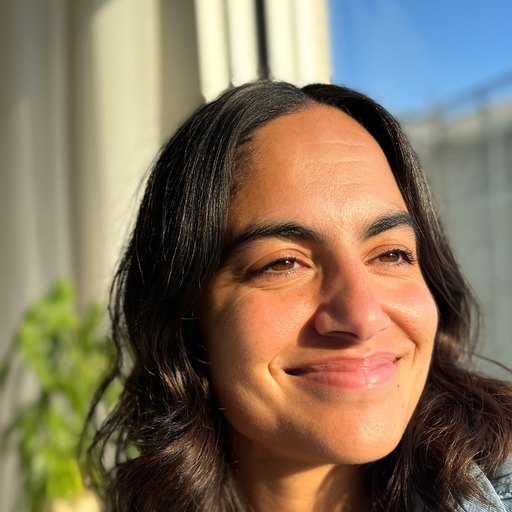
Bianca grew up in Boyle Heights and never left LA for long. She has a degree in economics from UCLA and spent five years as a risk analyst at a downtown fintech before turning that same discipline toward sportsbooks. Because California voters rejected Props 26 and 27 in 2022, there is still no legal online sportsbook in the state, so Bianca learned the market the way most Californians do: through offshore books, group threads, and a hard-earned sense of which sites actually pay. She keeps a spreadsheet of every withdrawal she has requested since 2020, logging the book, the method, the amount, and how long it took to clear. She is a Dodgers lifer, a cautious Lakers believer, and the person her group chat pings before anyone funds a new account.
I am Bianca Solano, a sports betting analyst based in Los Angeles. I studied economics at UCLA and spent a few years as a risk analyst in fintech before turning full time to writing about betting, and that background is basically the whole method: I trust data over vibes and I do not get excited by a big number without reading the terms under it. The thing I am most known for is my spreadsheet. Since 2020 I have logged every withdrawal I have requested from an offshore book: the operator, the method, the amount, the exact time I asked, and how many hours it took to land. That log, now hundreds of rows deep, is what these rankings actually rest on. When I tell you BetOnline paid me in 40 minutes or that a check took me seventeen days, it is because it is a row in that file, not a guess. I want to be clear about independence too. I judge these books on payout reliability, line quality, and honest terms, and a book cannot buy a higher ranking from me. If an operator starts slow-paying, it drops, no matter how good the bonus looks. I also will not pretend offshore books are something they are not: they are unregulated by California, and I would rather lose your click than lie to keep it. Last thing, and I mean it. Betting should be entertainment you can afford, not a plan to make money. Set a budget, use deposit limits, never chase losses, and remember every book here is 21+. If it stops being fun or starts feeling like a problem, step away and call 1-800-GAMBLER. I love this stuff, but only when it stays in its lane.
Here is the honest bottom line. California does not have a legal online sportsbook, and it will not until voters approve one and a regulator licenses real books. Until then, the practical route for betting online is offshore, and the whole game is choosing operators that have proven they pay. That is why this ranking leans on my withdrawal spreadsheet instead of the size of a welcome bonus. BetOnline and Bovada are where I would start for reliability, the books below them each earn their spots for specific reasons, and the giant headline bonuses lower down are marketing before they are money. Stick to crypto if you want your payouts measured in hours instead of weeks, read every rollover term before you opt in, and keep your own records so you always have leverage.
Most of all, keep it in perspective. Every book on this page is 21+ and unregulated, so treat betting as entertainment you can afford to lose, not a paycheck. Set a budget before you deposit, use the deposit limits and timeouts these books offer, and never chase a loss with a bigger bet. If the fun ever turns into a problem, stop and call 1-800-GAMBLER for free, confidential help. I want you to enjoy betting on the Dodgers and the Lakers as much as I do, and the only way that stays enjoyable is by staying in control of it. Bet small, bet what you understand, cash out on crypto, and check back here as the California landscape changes, because the day a regulated, state-licensed sportsbook finally launches, my advice will change with it.